The demand for efficient and reliable machinery is ever-growing. Industries across the globe increasingly rely on advanced technologies to boost productivity. The **Planetary Gear Motor** stands out in these advancements. This type of motor offers both high torque and compact size. Its design allows for seamless operation in various applications, making it a vital component in many sectors.
Choosing the right planetary gear motor can be challenging. Factors like load requirements and efficiency must be considered. Each industry has specific needs that dictate the best motor options. Not all planetary gear motors are created equal. Some may underperform in certain conditions. This underlines the importance of expert knowledge in selecting the ideal motor for your application.
Understanding different options can lead to more informed decisions. Manufacturers are constantly improving their designs, yet not every solution fits every scenario. Reflecting on your industry needs is essential. The right choice can enhance performance and longevity in your machinery.
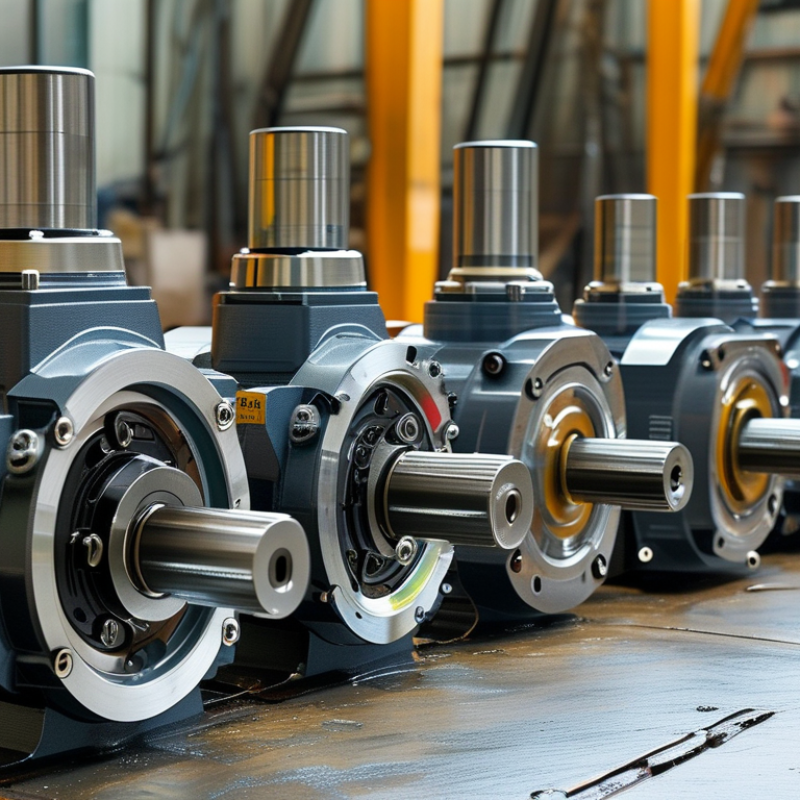
Planetary gear motors are essential in various industrial applications. They offer high torque, compact design, and efficiency. According to industry reports, the global market for these motors is expected to grow steadily over the next few years. This growth stems from the rising demand for automation and precision in manufacturing processes. Industries such as robotics, automotive, and aerospace heavily rely on these motors for their enhanced performance.
Understanding the applications of planetary gear motors is crucial. In automation systems, they provide reliable control over speed and torque. In robotics, they help in precise movements. Their ability to handle high load capacities makes them a popular choice in heavy machinery. Data shows that implementation of these motors can enhance overall system efficiency by up to 30%.
Tip: When selecting a planetary gear motor, consider the load requirements and space constraints of your application. Assessing the environment in which the motor will operate is also critical. Ensure that it aligns with your operational needs for better performance and longevity. Balancing these factors is key; overlooking them might lead to inefficiencies.
When selecting a planetary gear motor, several key factors are crucial. First, understand your torque requirements. Torque influences performance and efficiency. A more significant torque rating often leads to improved operation in demanding applications. Evaluate your system's needs to find the right balance.
Another consideration is the speed range. Planetary gear motors offer versatility in speed options. Depending on your industry, you may require a motor that operates efficiently at varying speeds. This adaptability can enhance overall effectiveness in processes ranging from manufacturing to robotics.
Durability also plays a pivotal role. Look into the materials used in construction. High-quality materials can withstand harsh environments. Feedback from past users can provide insights into long-term reliability. Experimenting with different types can yield valuable lessons. Each application presents unique challenges, thus understanding these nuances is essential for informed decision-making.
| Motor Type | Torque (Nm) | Speed (RPM) | Reduction Ratio | Voltage (V) | Weight (kg) |
|---|---|---|---|---|---|
| Standard Planetary Gear Motor | 1.5 | 3000 | 10:1 | 24 | 2.5 |
| High Torque Planetary Gear Motor | 5.0 | 1500 | 20:1 | 48 | 4.0 |
| Compact Planetary Gear Motor | 0.75 | 6000 | 5:1 | 12 | 1.2 |
| Servo Planetary Gear Motor | 2.0 | 2000 | 15:1 | 36 | 3.5 |
| Belt Driven Planetary Gear Motor | 3.0 | 1000 | 25:1 | 48 | 5.0 |
When selecting a planetary gear motor, it's crucial to understand the various types available. Each type has unique characteristics that can significantly impact performance. For example, high-torque planetary gear motors are designed for heavy machinery, offering efficiencies over 90% in certain applications. This is critical in industries like automotive and manufacturing, where precision and power are paramount.
Another option is the low-backlash planetary gear motor. These motors minimize play between the gears, enhancing accuracy in positioning tasks. Reports suggest that over 75% of high-precision applications choose this type. Their reliability makes them suitable for robotics and aerospace applications, where exact movements are essential.
However, selecting the right motor often requires a careful evaluation of specific needs. If a motor is over-engineered, it can lead to unnecessary costs and increased energy consumption. On the flip side, underestimating power needs can result in early equipment failure. A balance between performance and cost-effectiveness is vital for long-term success in any industrial setting.
In recent years, the demand for planetary gear motors has surged across various industries. A market report indicates a growth rate of approximately 9% annually, reflecting their increasing importance in automation and robotics. These motors are renowned for their compact design and high efficiency, which make them suitable for applications requiring precise control and torque.
Key manufacturers in this sector focus on innovation and reliability. Recent studies show that efficiency ratings can exceed 95% with well-designed planetary gear systems. However, not all options deliver the same performance. Some motors may struggle with high heat generation, which can reduce lifespan. It's crucial for industries to evaluate their needs carefully and consider aspects like load capacity and environmental factors.
While many brands offer reliable products, the effectiveness of a planetary gear motor depends largely on its design and application. Not every motor suits every task. Industries need to perform due diligence before selection. Understanding the specifications and potential limitations is essential for achieving optimal results. This thoughtful selection process ultimately influences overall productivity and system performance.
The future of planetary gear motors is exciting, driven by rapid technological advancements. Many industries are embracing these innovations to enhance efficiency. Recent developments in materials science allow for lighter and stronger components. This improves performance while reducing energy consumption.
Another significant trend is the integration of smart technology. Sensors can now provide real-time data on motor performance. This information can help prevent failures and improve maintenance schedules. However, not all companies fully utilize these technologies yet. There’s a need for training and adaptation across many sectors.
Sustainability is also shaping future designs. Manufacturers are focused on creating more environmentally friendly gear motors. The shift is toward recyclable materials and energy-efficient production processes. Nevertheless, challenges remain in balancing cost and sustainability. Companies must reflect on these trade-offs as they explore future options.
: The growing need for automation and robotics has surged their popularity.
They offer compact design and high efficiency.
Well-designed planetary gear systems can exceed 95% efficiency.
They should evaluate load capacity and environmental factors.
High heat generation can lead to early failure in some motors.
Innovations include lighter materials and the integration of smart technology.
They provide real-time data, improving maintenance and preventing failures.
There’s a focus on recyclable materials and energy-efficient production.
Balancing cost and eco-friendliness is often difficult.
Companies need training to fully leverage new capabilities.
Planetary gear motors are essential components in various industrial applications due to their high efficiency and compact design. They excel in providing significant torque output while maintaining durability, making them suitable for automation, robotics, and other mechanical systems. When choosing a planetary gear motor, key factors include load requirements, speed ratios, and environmental conditions, ensuring compatibility with specific industrial needs.
Moreover, the market features a diverse range of planetary gear motors, each designed to cater to different operational requirements. As technology advances, future trends indicate innovations that will enhance their performance and adaptability, such as improved materials and smart integration. Overall, planetary gear motors remain a vital choice for industries seeking reliable and efficient motion solutions.

YWOO Motor